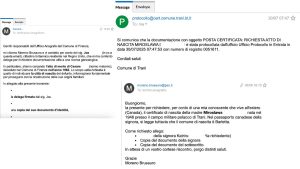
How to Find Your Italian Ancestors: A Complete Step-by-Step Guide
Want to discover your Italian roots, build a family tree, or qualify for Italian citizenship by descent (jure sanguinis)? This is your map — from first clues to certified documents.
We’re based in Italy. We work directly with Comuni, parishes, and archives. You only pay if we find the records you need.
No success = no fee · Official records from Italian offices
Step 1 — Gather What You Already Know
Start at home. Small clues solve big mysteries.
Essential documents
- Immigration & naturalization papers
- Old passports & ship manifests
- Birth / marriage / death certificates
- Family letters, photos, diaries
- Gravestones & obituaries
Interview prompts
- Exact town (comune) or nearest big city?
- Variant spellings of surnames?
- Parish name or religious affiliation?
- Approximate years of events?
- Military service or draft class?
Build a starter tree
Sketch 3–4 generations with sources. This targets the right archives and speeds up professional research.
Step 2 — Identify the Exact Town of Origin
Italian records are local. Without the town, you’re guessing. Check ship manifests, naturalization files, passports, liste di leva (draft cards), and headstones.
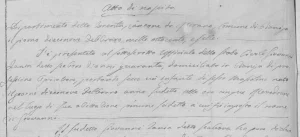
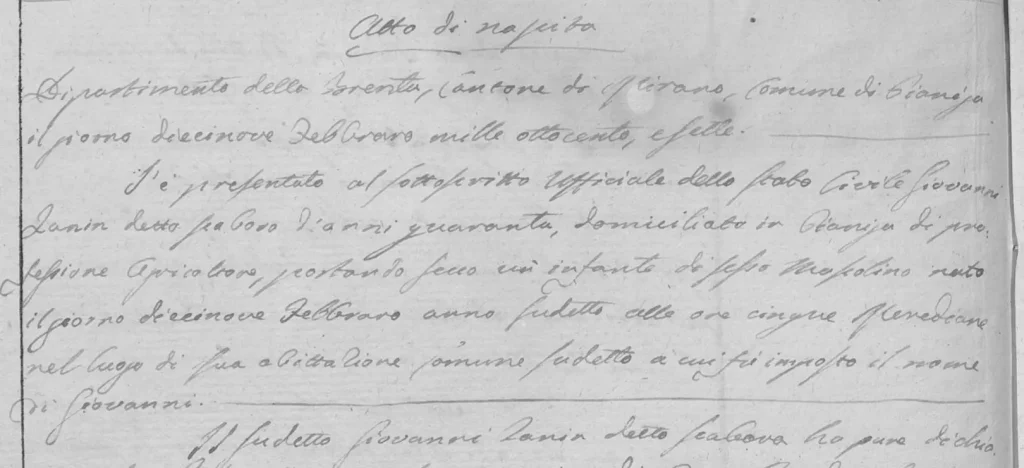
Civil records = births, marriages, deaths. Often include parents’ names, ages, addresses, and marginal notes.
| Record Type | What You Can Learn | Typical Time Span |
|---|---|---|
| Birth (Nascita) | Parents’ names, ages, residence; marginal notes (marriage, recognition) | Early 1800s onward (Napoleonic) |
| Marriage (Matrimonio) | Ages, parents, prior status; attachments (allegati) | 19th–20th century for most towns |
| Death (Morte) | Age, marital status; sometimes parents/spouse | 19th–20th century for most towns |
Get a Free Italian Genealogy Assessment
Tell us what you know (names, dates, places). We’ll outline the fastest path to your documents — no win, no fee.
Native Italian speakers, direct access to local archives
Certified copies suitable for legal/citizenship use
If we don’t find, you don’t pay
Prefer email or WhatsApp? Email us · WhatsApp
By submitting, you agree to our Privacy Policy.
Step 4 — Explore Church Records (Parish Registers)
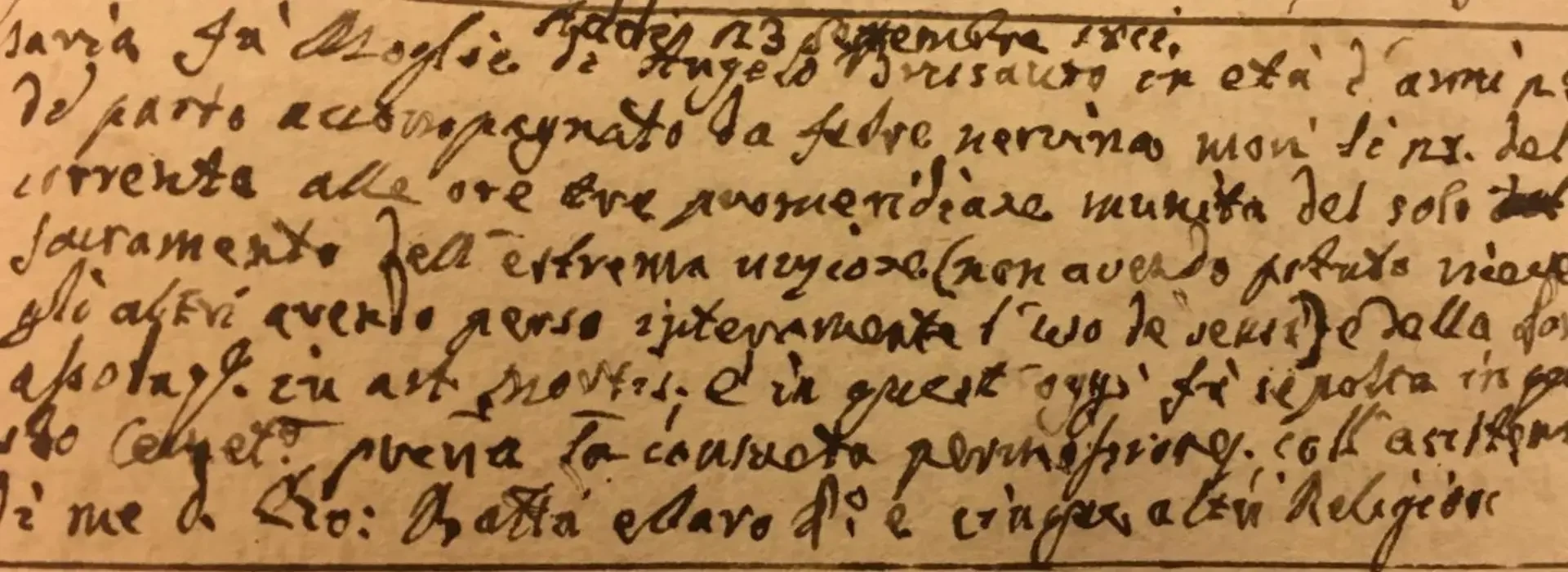
Parish books (baptisms, marriages, burials) push you into the 1700s or earlier. If books aren’t in the parish, ask the diocesan archive.
Step 5 — Use the Best Online Resources
Portale Antenati
Digitized civil records from Italian State Archives. Coverage varies by province.
FamilySearch
Huge image collections and indexes; some require a free account or a FamilySearch Center.
Surname research
Study variants & distribution maps. Learn more in our Sicilian genealogy guide .
Step 6 — Understand Availability & Limitations
- Coverage varies by town/region; not all archives are digitized.
- Response times differ — weeks to months for some offices.
- Losses & gaps (fires, wars) are real — use alternative sources.
Step 7 — When to Hire a Professional Genealogist
We can save you time, overcome language barriers, and handle official requests directly in Italy.
Frequently Asked Questions
How far back do Italian records go?
Many civil records start in the early 1800s; parish books can reach the 1600s or earlier.
Can these documents be used for Italian citizenship (jure sanguinis)?
Yes. You’ll typically need certified copies and, in some cases, apostilles and translations. For a complete guide, see our Italian citizenship jure sanguinis guide .
I don’t know the town. Can you still help?
Yes. We triangulate with indirect evidence like ship manifests, siblings, and draft lists.
Ready to Start Your Search?
Tell us what you know (names, dates, places). We’ll map the fastest path to your documents — no win, no fee.
Italy-based team · Official documents · No win, no fee